
Ground Ready for What Comes Next
Site Prep in Greeneville for residential and commercial properties beginning seeding or landscaping phases
Proper site preparation creates conditions where seed germinates evenly, roots penetrate deeply, and installed materials perform as intended. Premier hydroseeding LLC prepares ground before hydroseeding, erosion control, or traditional seeding by addressing compaction, debris, and surface irregularities that would otherwise prevent successful establishment. The work transforms rough-graded sites into seedbeds capable of supporting vegetation, reducing the likelihood of thin spots, washouts, or failed germination after application.
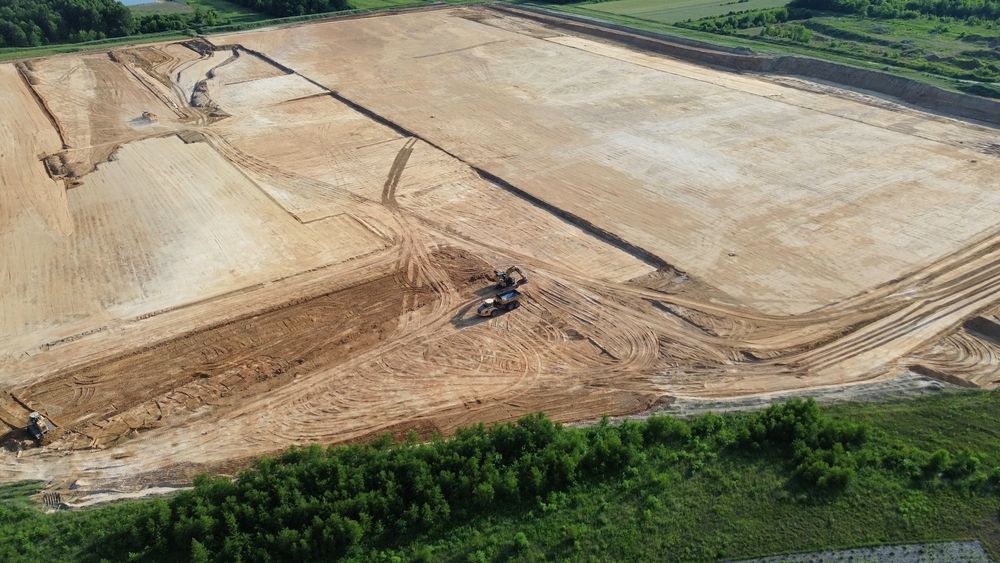
Preparation involves loosening compacted soil so roots can penetrate, removing rocks and construction debris that interfere with seed-to-soil contact, and creating surface grades that drain without forming channels. Sites cleared by heavy equipment often have a hardpan layer from track and tire pressure, which prevents water infiltration and root growth even when topsoil is present. Breaking up this compaction allows the soil to absorb moisture and support the root systems that stabilize the ground and produce healthy turf.
Arrange an on-site review to identify preparation needs before scheduling seeding or related services.
What Changes After Proper Site Preparation
The preparation process includes evaluating soil condition, clearing debris, addressing compaction, and confirming that final grades direct water away from structures and toward appropriate drainage paths. Equipment used depends on site size and condition—some properties need only hand raking and debris removal, while others require tillage or amendment incorporation to improve soil structure. The goal is a surface that allows seed and roots to establish without obstruction or excessive runoff.
Once preparation is complete, the site has a loose, even surface where seed can make consistent contact with soil across the entire area. You won't see rocks, wood scraps, or debris that would create bare spots or interfere with equipment during application. Water absorbs into the soil rather than running off immediately, and compacted zones that would have prevented root penetration are broken up. These changes directly affect germination rates and long-term turf health, making preparation one of the most important factors in project success.
Preparation does not include regrading to change elevations, installing drainage systems, or amending severely deficient soils—those tasks fall under separate site development work. The service focuses on readying existing grades for vegetation, not reshaping the property or correcting poor initial grading. Properties with heavy clay, extremely rocky soil, or standing water may need additional consultation to determine what level of improvement is feasible before seeding.
Questions Before Starting Your Project
Property owners preparing for landscaping or seeding often have questions about what site prep involves and when it should occur.
Why is site preparation necessary before seeding?
Compacted soil prevents roots from anchoring, debris creates bare spots, and rough surfaces cause uneven seed distribution. Preparing the site removes these obstacles and creates conditions where germination and growth occur uniformly.
How is soil compaction identified and corrected?
Compaction is identified by water pooling on the surface, difficulty penetrating soil with a shovel, and hard, crusty texture. Correction involves mechanical loosening using tillers, harrows, or other equipment that breaks up the dense layer and restores soil structure.
What happens if seeding occurs without proper preparation?
Seed may germinate poorly or not at all in compacted zones, creating thin or bare areas. Debris left on the surface prevents seed contact with soil, and uneven grades cause seed and mulch to wash into low spots, leaving high areas exposed.
When should site prep be scheduled relative to seeding in Greeneville?
Preparation should happen immediately before seeding to prevent the surface from re-compacting or accumulating new debris. Waiting weeks between preparation and seeding allows weeds to germinate and rain to undo loosening work.
Does site prep include removing existing vegetation or stumps?
No, this service focuses on preparing cleared, graded ground for seeding. Removing vegetation, grinding stumps, or clearing land are separate site development tasks that occur before prep work begins.
Premier hydroseeding LLC evaluates site conditions across Greeneville to determine what preparation steps improve outcomes for subsequent seeding and landscaping services. Schedule a property visit to assess soil condition and discuss preparation requirements tailored to your project goals.