
Soil That Stays Where It Belongs
Erosion Control in Greeneville for construction sites, slopes, and drainage areas losing ground to runoff
Northeast Tennessee's terrain includes steep grades, clay soils, and seasonal rainfall patterns that move exposed soil quickly once vegetation is removed. Premier hydroseeding LLC installs erosion control measures that reduce sediment movement during construction and after project completion, preventing gullies from forming and keeping soil from washing into storm drains or neighboring properties. The approach depends on slope angle, soil type, and whether the site will remain bare or be revegetated.
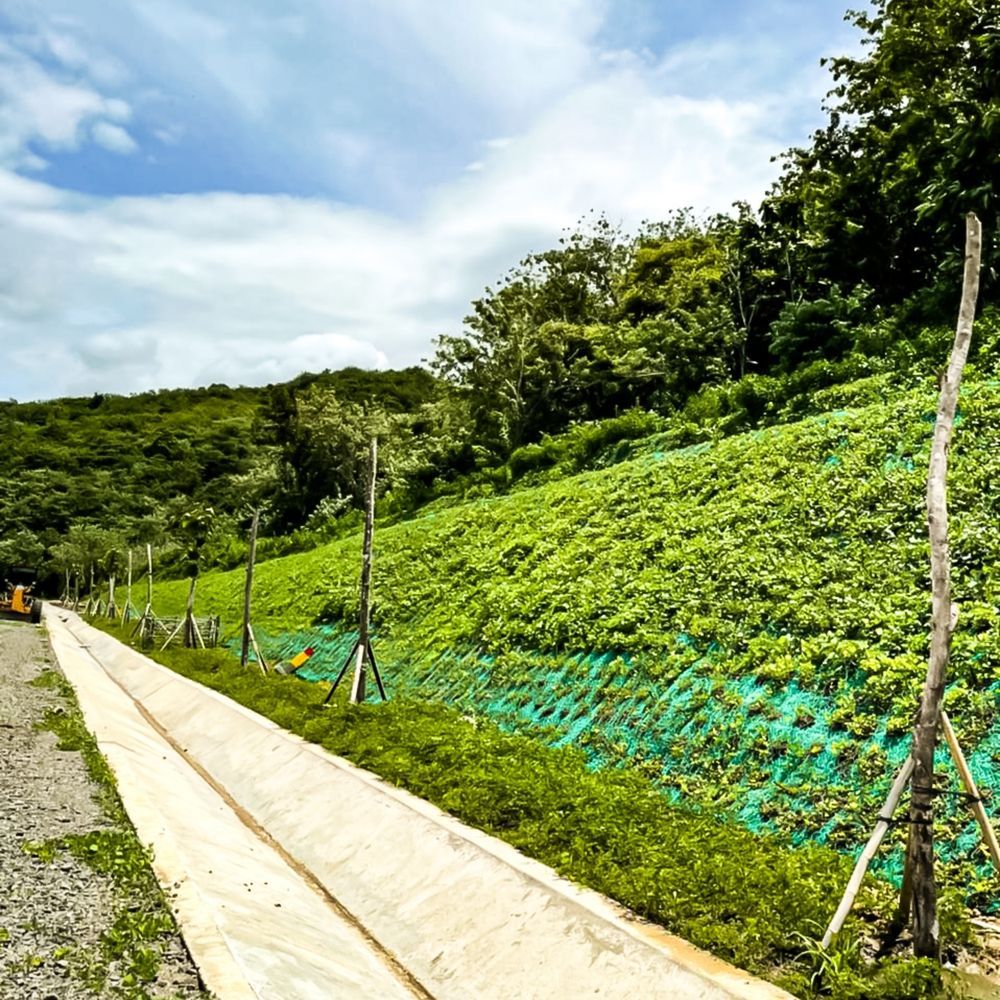
Solutions range from applying fiber mulch that holds soil in place temporarily, to installing erosion control blankets that stabilize steep banks until grass roots establish. Some sites require multiple techniques—blankets on slopes, silt fencing at the perimeter, and seeding in flatter zones. The goal is to slow water velocity across the surface so soil particles settle rather than travel, and to establish vegetative cover that replaces temporary materials with permanent root systems.
Arrange a site evaluation to identify erosion risks and determine which combination of methods fits your timeline and regulatory requirements.
Why Erosion Happens and How to Stop It
Water moving across bare soil picks up particles and carries them downhill, especially when rain falls faster than the ground absorbs it. Clay soils common in Greeneville resist infiltration, causing runoff to concentrate in channels that deepen with each storm. Slopes steeper than three-to-one lose soil rapidly without anchoring, and construction activity that removes topsoil exposes subsoil with even less structure to resist erosion.
After erosion control measures are installed, runoff slows and spreads across the treatment area instead of cutting channels. You'll notice that rain no longer creates visible streams of muddy water leaving the site, and existing gullies stop widening. On slopes with blankets or mulch, vegetation begins growing through the material, and roots take over the stabilization work as temporary barriers degrade. Sediment that previously left the property during storms stays in place, maintaining the designed grade and preventing downstream problems.
Effectiveness depends on installing controls before major rain events, matching the solution to slope severity, and maintaining measures until vegetation matures. Sites with ongoing disturbance need periodic inspection and repair, as equipment traffic and additional grading can compromise initial installations. Temporary solutions like silt fence only capture sediment—they do not prevent it from detaching in the first place, which is why vegetative or fibrous surface treatments matter on slopes.
Answers to Frequent Erosion Control Questions
Contractors and property owners dealing with exposed soil often need clarity on what erosion control involves and when to install it.
What is the difference between erosion control and sediment control?
Erosion control prevents soil from detaching and moving, using surface treatments like mulch, blankets, or vegetation. Sediment control captures soil that is already moving, using barriers like silt fence or sediment basins. Effective site management uses both.
When should erosion control be installed during a project?
Controls should be in place before soil is disturbed and maintained throughout the project until permanent vegetation is established. Waiting until after grading increases the risk of losing topsoil and violating stormwater permits.
How steep does a slope need to be before erosion control blankets are necessary?
Slopes steeper than three-to-one (three feet horizontal for every one foot vertical) typically need blankets or other anchoring methods, as loose mulch and seed wash away during moderate rain. Flatter slopes may only need surface mulch if vegetation establishes quickly.
Do erosion control measures require maintenance after installation?
Yes, especially after heavy storms. Silt fences fill with sediment and need cleaning, blankets can lift or tear, and seeded areas may need reapplication if germination fails. Regular inspections catch problems before they worsen.
How long do erosion control blankets last on a slope in Greeneville?
Degradable blankets break down over several months to a few years, depending on material type and sun exposure. They are designed to hold soil until vegetation roots take over, at which point the blanket has served its purpose and decomposes into the soil.
Premier hydroseeding LLC provides erosion control services for construction sites, residential developments, and commercial properties across Greeneville where soil movement creates risk or regulatory concerns. Schedule an assessment to identify site-specific erosion vulnerabilities and determine appropriate control measures.